Have you ever had a sudden, splitting headache that came out of nowhere? Or maybe you felt quite dizzy, not able to speak clearly, or had weakness on one side of your body? These may seem like random symptoms, but they could be signs of something serious: a blood clot in the brain.
It might sound scary, and yes, it can be. But understanding about it is the first step you can take.At ManglamPlus Medicity Hospital, we don’t only treat our patients, we go the extra mile to ensure that they are informed and educated. In this case, let’s go over what you should know about brain blood clots and how you can cure it.
What is a Blood Clot in the Brain?
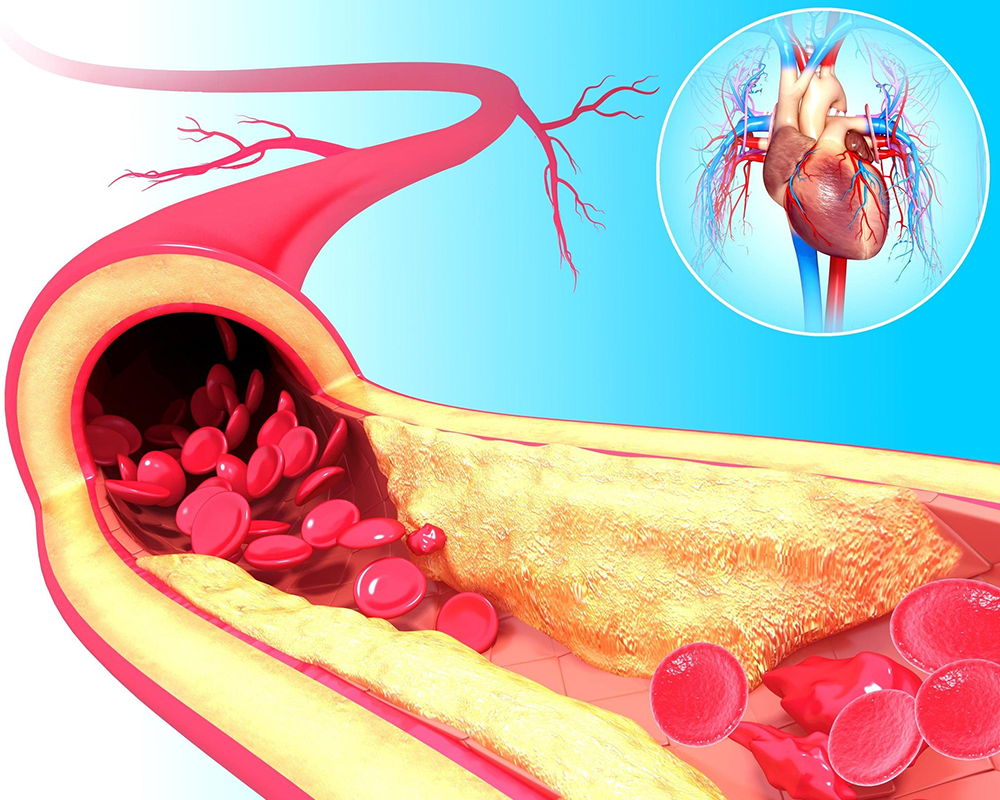
A brain clot, also known by medical terms like cerebral embolism or thrombus, happens when a blood clot forms in one of the blood vessels in the brain. This clot blocks the flow of blood and oxygen to brain tissues, which can lead to serious problems like stroke, permanent brain damage, or other complications. A brain clot doesn’t always form suddenly in some cases, it can develop slowly over time. When this happens, it may lead to a stroke, which needs immediate medical attention.
To understand more about stroke, which is one of the main outcomes of a brain clot, you can read our detailed blog on stroke.
What Does It Feel Like? Know the Symptoms
One of the biggest dangers of a blood clot in the brain is that many people don’t recognize the signs. You might just ignore it as tiredness or stress. But here’s what to watch out for:
- A sudden, severe headache, like something you’ve never felt before
- Sudden weakness or loss of sensation on one side
- Trouble speaking or understanding others
- Blurred or double vision
- Feeling dizzy or losing your balance
- Confusion or memory issues
- Fainting or even seizures
If you or someone nearby is experiencing these symptoms, seek medical attention right away. Acting quickly can save a life.
What Causes Blood Clots in the Brain?
Clots don’t simply emerge without cause. There are specific factors that lead to their formation, and understanding these can help you remain proactive in prevention.
Here are some of the common causes:
- Atherosclerosis: When fat builds up in your blood vessels
- Heart issues, like irregular heartbeat (atrial fibrillation)
- When blood pressure is high, it exerts force against the walls of your arteries.
- Smoking can gradually harm your blood vessels over time.
- Diabetes, which affects blood circulation
- Obesity and lack of movement, both of which slow down blood flow
- Genetics: Some people are more likely to get clots due to family history
- Certain medications, such as hormone-based pills
- Injuries or surgeries, especially around the head
Even people who live a generally healthy life might still be at risk. That’s why regular checkups at a trusted Neurology Hospital in Jaipur like ManglamPlus Medicity Hospital can be a lifesaver.
How Do Doctors Find the Clot?
When someone comes in with these symptoms, our doctors at ManglamPlus Medicity Hospital begin with a complete checkup. Here’s how they find out if it’s a clot:
- Physical exam to understand symptoms and reflexes
- CT scan or MRI to look inside the brain for clots or damage
- Blood tests to detect signs of clot formation
- Angiography helps in visualising whether blood vessels are blocked or constricted.
- Electroencephalogram (EEG), which tracks brain activity, especially if there are seizures
- In rare cases, lumbar puncture (spinal tap) is performed to check for infections or bleeding.
This process is quick and thorough, so the right treatment can begin immediately.
What Are the Treatment Options?
Once a clot is found, time is everything. The quicker the treatment, the better the chances of recovery. Here’s how doctors treat it:
- Medicines that thin the blood and stop the clot from growing
- Clot-busting drugs, like tPA, which dissolve the clot if given early
- Thrombectomy involves the direct removal of a clot which is blocking a blood vessel.
- Catheter-based treatment, where medicine is sent straight to the clot
- Stents may be inserted to keep arteries open
- Rehabilitation, involves physiotherapy, speech therapy, or occupational therapy
- Lifestyle changes like quitting smoking, eating healthy, and exercising
At ManglamPlus Medicity Hospital, we guide patients and families through every step, right from diagnosis to rehabilitation.
How to Prevent It
Preventing a blood clot in the brain starts with taking care of your heart and blood vessels. Here’s what you can do:
- Keep your blood pressure, glucose, and cholesterol under control.
- Avoid smoking and alcohol
- Stay physically active; even a daily 30-minute walk is beneficial.
- Opt for less fried food and add more fruits and vegetables to your meals.
- Keep a regular sleep schedule
- Don’t skip checkups, especially if you have heart or family history concerns
Simple changes can save your life. Getting started sooner helps keep you better protected.
Conclusion
A blood clot in the brain is a critical medical issue that blocks blood circulation. It can be caused by factors like high blood pressure, heart issues, or injury. Common symptoms include sudden headache, confusion, weakness, or trouble speaking. Knowing the warning signs and acting without delay can protect a life.
ManglamPlus Medicity Hospital is recognized for its trusted neurological services, featuring a skilled medical team and advanced technology dedicated to superior patient care.
If you or your loved ones experience any of these symptoms, don’t delay. Visit ManglamPlus Medicity Hospital the reliable Neurology Hospital in Jaipur and take control of your health.