Understand Kidney Disease in Women
Kidney disease arises when your kidneys sustain damage and are unable to effectively filter blood. This results in an accumulation of waste and fluid within the body. It may be acute (happening suddenly) or chronic (progressing gradually over time). Acute kidney disease can get better with treatment, whereas chronic kidney disease typically needs ongoing management.
In addition to filtering the blood, kidneys assist in regulating blood pressure, generating red blood cells, and supporting bone health. When they fail, all systems in the body are impacted. In women, kidney problems can disrupt hormones, menstrual cycles, and fertility.
Initial Signs of Kidney Issues in Women
Identifying symptoms promptly can protect your kidneys from lasting harm. Here are some red flags that every woman should be aware of:
- Swelling in the feet, ankles, or hands.
- Changes in urination – foamy, bloody, frequent, or reduced output.
- Puffiness around the eyes, signalling protein leakage in urine.
- Dry or itchy skin caused by mineral imbalance.
- Trouble sleeping or restlessness.
- Muscle cramps, especially at night, due to low calcium and phosphorus.
- Loss of appetite or feeling of fullness quickly.
- Metallic taste in mouth and bad breath from blood waste build-up.
- Vomiting caused by toxins in the bloodstream.
- Irregular menstrual cycles can be an early indicator of kidney function imbalance inwomen.
- Young-age hypertension, frequent haemoglobin drop, and unexplained body pain may signal early kidney issues
- Frequent pus cells in urine can be an early warning sign of kidney infection or dysfunction.
Major Risk Factors for Kidney Disease in Women
Specific health and lifestyle elements increase women’s susceptibility to kidney issues:
Diabetes – Elevated blood sugar harms kidney filtration.
- Elevated blood pressure – A primary reason for kidney failure.
- Family background – Heredity can heighten susceptibility.
- Age – The effectiveness of the kidneys gradually decreases with time.
- Smoking – Decreases blood circulation and hastens kidney deterioration.
- Obesity – Increases the risk of diabetes and hypertension twofold.
- Recurrent UTIs – May lead to long-term harm if not addressed.
- Conditions such as lupus – Damage kidney tissues.
- Pregnancy issues such as preeclampsia – May impact kidney function.
At Manglamplus Medicity Hospital, our physicians develop individualized strategies to assist you in managing
these risk factors and stopping the advancement of kidney disease.
Diagnosis of Renal Disease
Early detection ofkidney problems are crucial for avoiding serious harm. Your physician might recommend
Various examinations including:
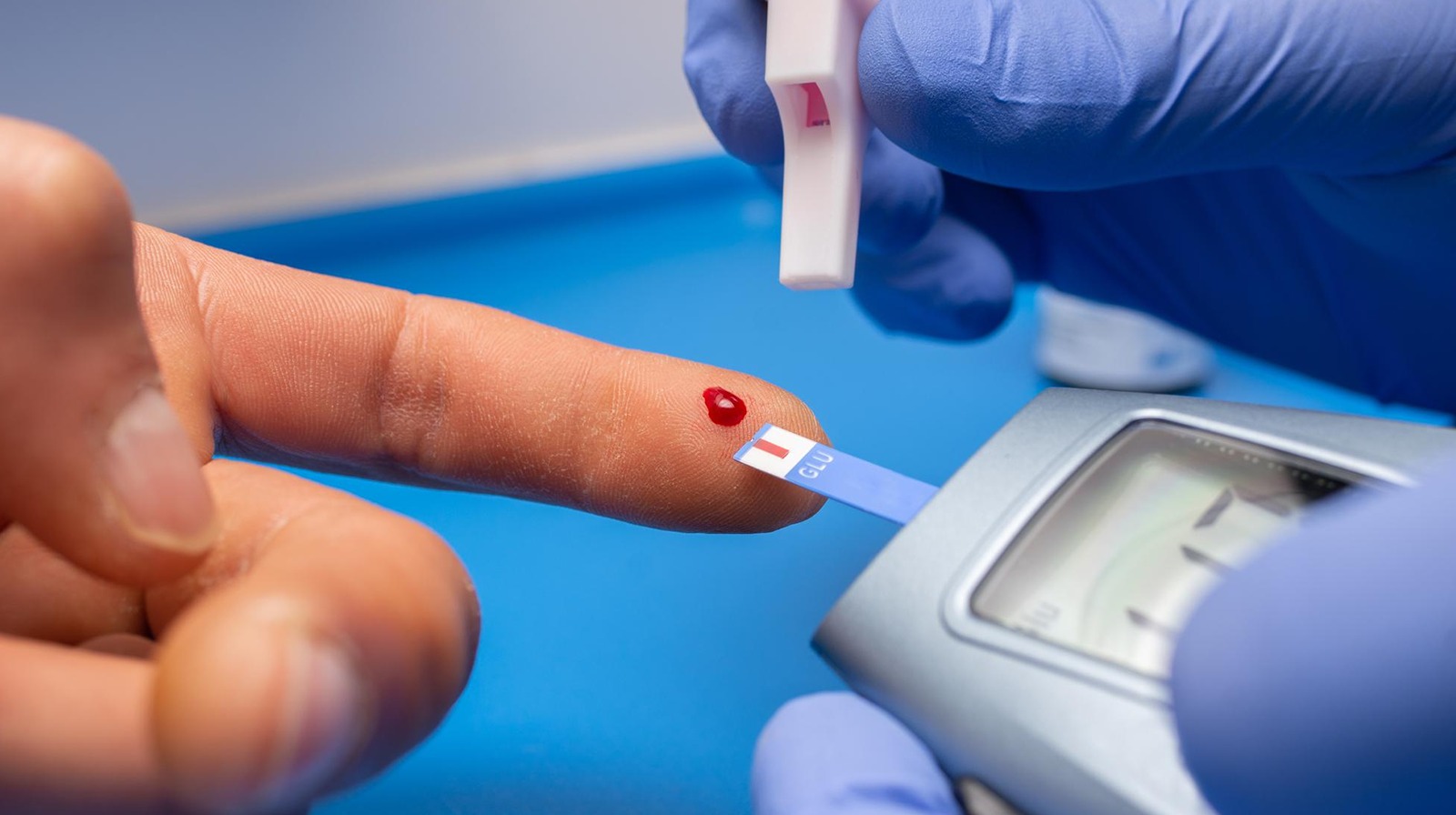
Urine Analysis: Tests for blood or protein.
- Blood Test: Assesses creatinine and additional waste concentrations.
- GFR ( Glomerular Filtration Rate): Assesses renal function.
- Ultrasound/CT Scan: Displays kidney dimensions, formation, and irregularities.
- Kidney Biopsy: Analyzes tissue samples for injury.
Should your findings indicate irregularities, additional assessment is necessary? Timely detection at Manglamplus Medicity Hospital allows for quicker and more efficient treatment.
Options for Prevention and Treatment
The positive aspect is that kidney issues can frequently be avoided or managed through lifestyle modifications and medical advice.
• Consume nutritious, well-rounded meals – Select fruits, vegetables, and whole grains. Steer clear of too much salt, sugar, and processed
Foods .
• Keep hydrated – Water aids in eliminating toxins.
• Manage blood sugar and pressure – Crucial for women with diabetes and hypertension.
• Stay active – Aim for a minimum of 30 minutes daily for heart and kidney wellness.
• Stop smoking and cut down on alcohol – Both hasten kidney deterioration.
• Restrict pain relievers and self-treatment – Excessive use damages kidney tissues.
• Regularly visit a kidney specialist for preventative check-ups.
In advanced situations, individuals might require dialysis or a kidney transplant. At Manglamplus Medicity Hospital, skilled nephrologists support patients through each phase
of treatment with empathy and attention.
Conclusion
Though small, your kidneys have a powerful function. Women ought to pay attention to early signs
like swelling, Fatigue, shifts in urination, or elevated blood pressure. Sustaining a nutritious diet, consuming adequate water, and arranging consistent kidney examinations can avert significant
Issues.
Should you observe any warning signs, go to Mangalam Medicity Hospital, a top facility for nephrology and kidney care in Jaipur. Timely identification and intervention can safeguard your kidneys and your life.
Schedule your kidney examination today at Manglamplus Medicity Hospital and initiate your journey towards a healthier kidney future